
How Animals Inspired Human Creativity A to Z (first segment from A to F)
A Journey Through the Alphabet of Animal-Inspired Innovations

Imagine this:
If alligators could start an online store, what would be their flagship product?
You got it — those waterproof skins that make them the kings of the swamp. But hold off on hitting ‘buy now,’ because there’s more to these prehistoric beasts than just keeping dry.
When I penned an article on “why do ducks stand still in the rain”, a comment sparked a revelation:
wouldn’t it be great if we could share their imperviousness to rain?
Indeed, we envy many of the abilities animals possess, like the freedom of flight of a bird or the sprinting prowess of a cheetah.
In fact, we’ve already harnessed inspiration from the animal kingdom and applied it across human endeavors.
Thus, I’m going to write a series of articles, spanning from A to Z, exploring the impact of animals on humanity.
Due to the breadth of the subject, I’ll break it into four segments.
Today, we’ll dive into the first segment, from A to F, uncovering how these creatures inspire us and add a splash of color to our lives.
A — Alligator and Waterproof Materials: Where Prehistoric Fashion Meets Future Tech
Alligators, these ancient reptiles, are often described with words like ‘cold-blooded’ and ‘terrifying.’
The only alligator-related items I own are a LACOSTE brand T-shirt and an alligator skin wallet.
It’s not just a fashion accessory; it’s a symbol of durability. Unlike other wallets that fade and fray, my alligator skin wallet has only grown more resilient with time. But don’t rush to stuff it with cash just yet, as digital payments have turned wallets into vintage collectibles.
These ancient creatures boast extraordinary waterproof skin, which is more than just a survival trick; it could be the wellspring of inspiration for our waterproof technology.
Imagine scientists delving into the microscopic texture and structure of alligator skin, trying to unlock the secrets of its water-resistant prowess. These discoveries could pave the way for new materials that keep us dry and stylish, even in the rain.
By emulating the natural armor of alligators, we might develop a new type of material that’s both waterproof and breathable, shielding us from foul weather while maintaining our sense of style.
So, when we talk about the next breakthrough in waterproof technology, we might find that the secret lies within the skin of these prehistoric reptiles.
It could be the muse for the next big leap in waterproof tech. Who knows? The next generation of waterproof attire might just have a touch of ‘alligator’ DNA in it.
B — Birds and Aircraft: Inspirations from the Skies
Lying on a soft patch of grass, gazing up at the blue sky, watching birds trace elegant arcs across the heavens.
Isn’t there a moment when you too wish to defy gravity and soar like them?
The flight of birds is more than just a capability; it’s almost an art form. Their bodies are as light as feathers, their wings uniquely efficient, and their flying skills are truly awe-inspiring.
These aerial performers have inspired humanity’s boundless daydreams about flight since time immemorial.
Scientists, like curious children, closely observe every flap and glide of birds. They’ve discovered that a bird’s wings are not just for flying; they are masterpieces of flight efficiency.
By mimicking the flight movements of birds, we’ve designed aircraft wings that can soar through the skies. The design of these wings is inspired by the seemingly simple flapping and gliding of birds.
But the secrets of bird flight go beyond that. Their skeletal structure is lightweight yet sturdy, and their feathers are nature’s masterpieces.
These characteristics not only allow birds to maneuver nimbly in the air but also provide valuable insights for humans developing lighter, stronger aviation materials.
C — Cats and Night Vision Technology: Uncovering Light in the Darkness
Cats, these nocturnal ninjas, their eyes are the beacons of the night.
By observing the nocturnal activities of these small predators, we’ve invented night vision devices that can see everything in the dark.
On a pitch-black night, you’re quietly approaching a napping cat. Suddenly, its eyes gleam with a mysterious light, as if to say, “I’ve seen you.”

This isn’t a horror movie scenario; it’s a natural phenomenon for felines at night.
Cats’ eyes can capture faint light in the dark, allowing them to see clearly even at night. This ability has made cats a living laboratory for night vision technology.
Scientists have conducted in-depth studies on cats’ eyes, finding that their eye structure is unique and efficient at collecting and utilizing light. This not only makes cats skilled hunters at night but also inspires the invention of a range of night vision devices.
Imagine being able to see as clearly at night as cats do. Scientists, driven by this curiosity, have developed devices like night vision goggles and infrared cameras.
These devices allow us to see clearly in the dark, playing a significant role in military reconnaissance, security monitoring, and scientific research.
D — Dogs and Odor Detection: The Canine Superpower of Smell
Dogs, these super-sleuths of smell, have noses more sensitive than the most advanced detectors.
As you walk through a bustling airport, a well-trained police dog suddenly halts, its nose quivering slightly, seemingly catching a whiff of something.
That’s right, it might have just detected something that our human noses can’t perceive. A dog’s sense of smell is nothing short of a superpower in nature, far more powerful than we might imagine.
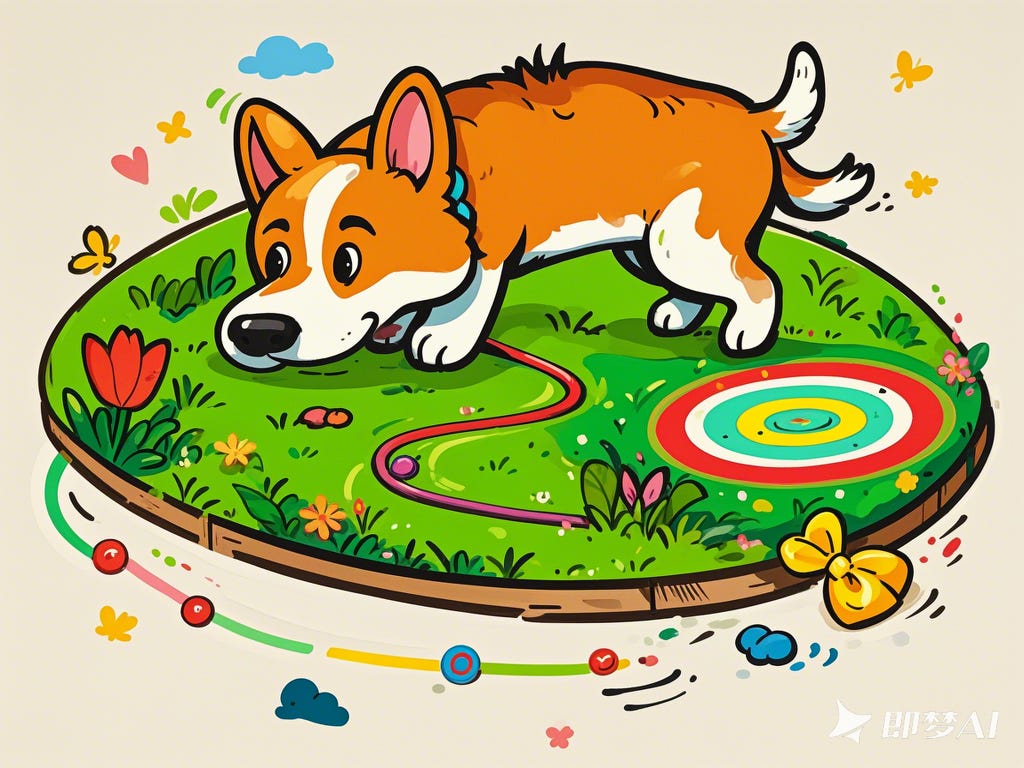
Dogs’ olfactory abilities are so acute that they can sniff out drugs and explosives, find missing persons in search and rescue missions, and even assist in diagnosing diseases in the medical field. These canine heroes are essentially living odor detectors.
Scientists, envious of dogs’ superpower, have begun studying their olfactory mechanisms, hoping to create chemical sensors that can mimic this ability.
If successfully developed, these sensors could play a huge role in environmental monitoring, food safety testing, and even disease diagnosis, greatly enhancing our perception of the surrounding environment.
E — Elephants and Mechanical Power: From Behemoths to Mechanical Marvels
When you stand before an elephant, you feel tiny, and even the jungle lords like lions and tigers give way to the massive creatures.
These gentle giants are known for their astonishing strength and ability to move heavy objects, a power so great it could easily shift a small car.
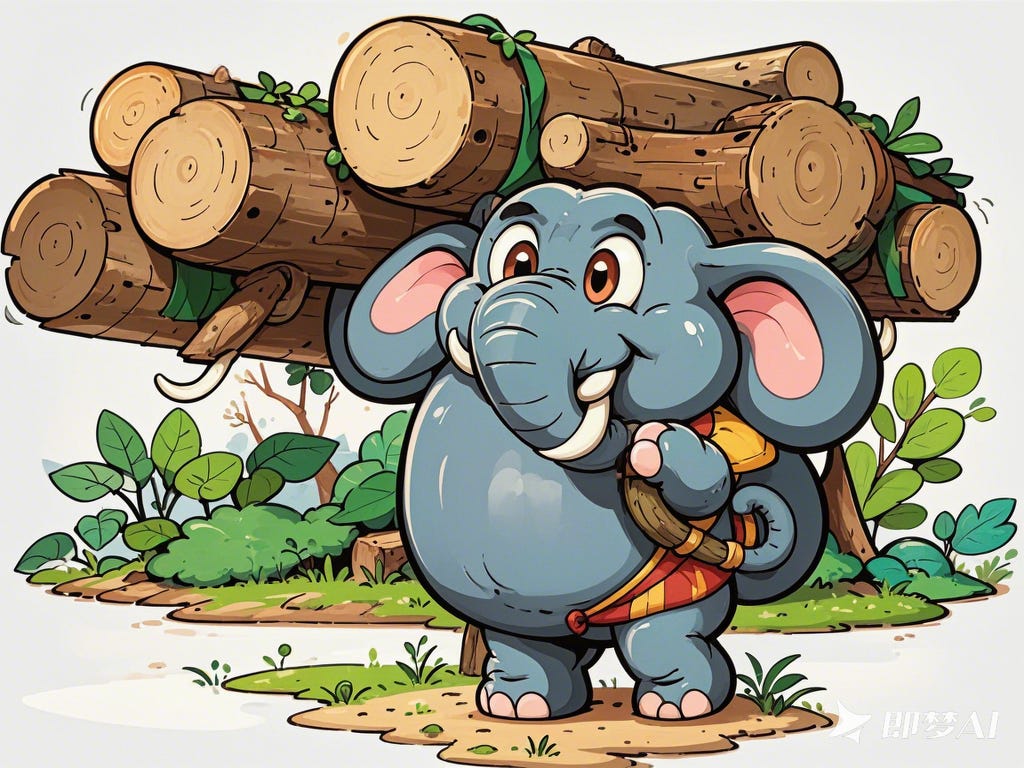
The awe-inspiring power of elephants has sparked our invention of more potent mechanical devices. Imagine if an elephant’s trunk was the crane’s arm, its legs the support structure, and its huge ears like giant stabilizing wings for machinery.
Early engineers might have seen the epitome of strength and efficiency in elephants. They began to ponder how to transform this power into mechanical force, leading to the invention of cranes and other transport tools.
By emulating the mechanics of elephants, we’ve created machines capable of lifting and moving heavy objects, all inspired by these gentle giants.
The size and structure of elephants are not just natural wonders; they are also a source of inspiration for engineering design. Their stature tells us that even the largest objects can be moved with the right mechanical design and balance.
These principles have been applied in the design of large machinery, enabling us to construct machines capable of tackling formidable tasks.
F — Fish and Ship Design: A Fluid Dynamics Lesson from Marine Life
You are an ocean explorer, diving deep into the sea, witnessing a school of fish gracefully navigating through the water.
Their bodies, streamlined like bullets, hardly cause a ripple. It’s not just a visual feast but a vivid lesson in fluid dynamics.
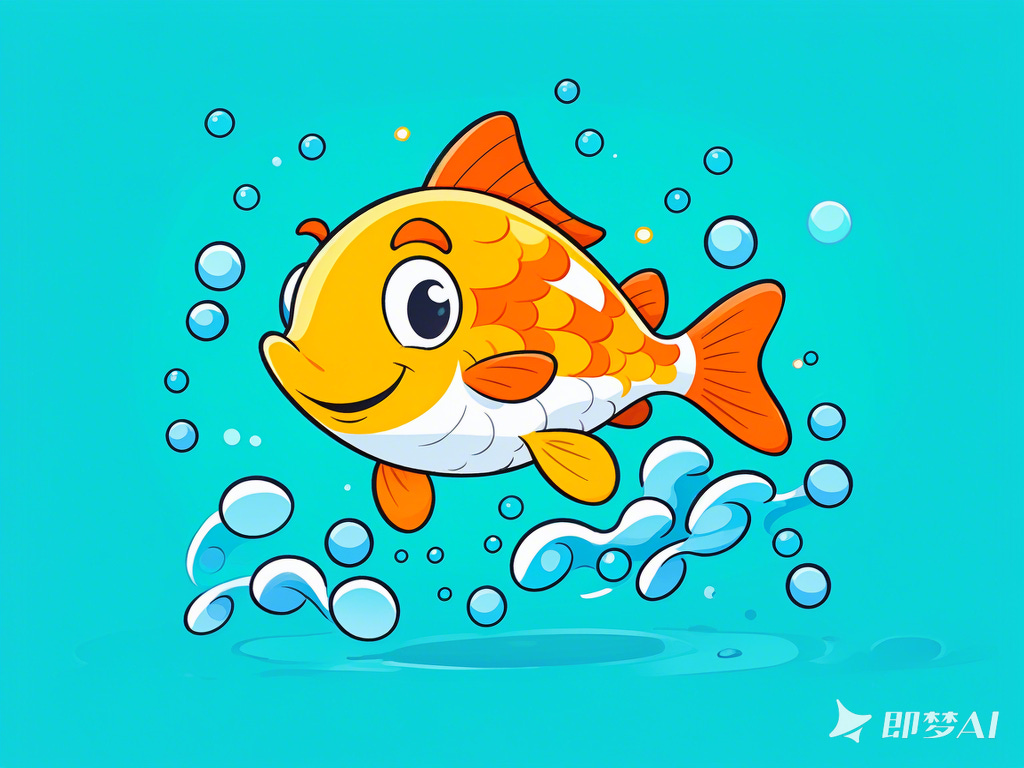
Since ancient times, humans have been amazed by the swimming skills of fish. Their streamlined bodies seem like perfect designs by nature, cutting through water with minimal resistance.
Inspired by these underwater swimmers, ship designers have begun to mimic the body shapes of fish, applying these principles to the design of ships and submarines.
Imagine a ship with a hull curve akin to a giant fish. This design is not just for aesthetics but to emulate the efficient swimming of fish in water.
By reducing water resistance, the vessel can sail faster and more economically, gliding through the water much like a fish.
Moreover, the movement of fish fins and tails has also provided inspiration for improving ship propulsion systems and maneuverability. Designers study how fish fins generate thrust and how tails steer direction, leading to enhancements in the design of ship propellers and rudders.
These improvements not only boost the performance of ships but also make them more agile and precise.
So, the next time you see a duck strolling leisurely in the rain or a cat’s mysterious gaze flickering in the night, do pause and consider the lessons they bring.
From waterproof materials to aircraft, from night vision technology to odor detection, animals are not just our friends but our teachers. And this is just the beginning.
Stay tuned for our next series, from G to L, where more fascinating stories of animals will be revealed.
Thank You for Reading
[This story was initially published on Medium.]